1. The Case For Ribadu
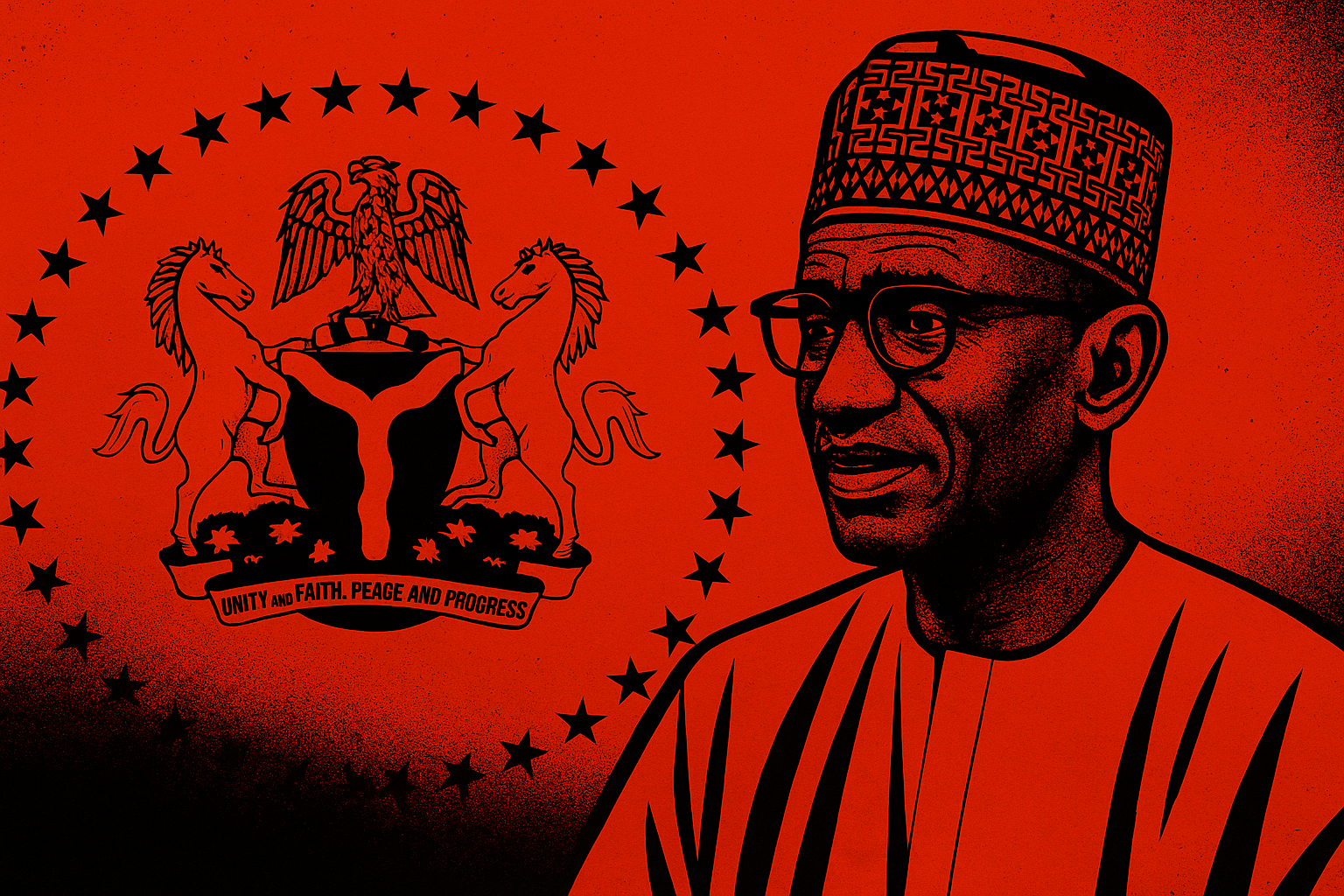
Ribadu brings several credentials that make him a logical choice for NSA.
Anti-corruption track record. As pioneering chairman of the Economic and Financial Crimes Commission (EFCC) in 2003-2007, he charged high-profile governors, bankers, and senior police officers. His willingness to confront Nigeria’s kleptocracy gave him a reputation for toughness and integrity.
Rule-of-law grounding. He holds law degrees (LLB, LLM) from Ahmadu Bello University and spent years in the Nigerian Police Force. He understands legal frameworks, prosecution, and investigation processes.
Political and international exposure. He’s held task-force roles (oil revenue, anti-money-laundering) and has name-recognition globally. He is less a career military officer and more a national security technocrat.
As NSA, these qualities matter: the role demands coordination across intelligence, military, diplomatic, finance and law-enforcement domains. Ribadu has experience in several of those spheres.
2. The Case Against Ribadu
Credentials notwithstanding, several red flags raise questions about fit and effectiveness.
Lack of military depth and combat experience. Ribadu’s career is legal-police-anticorruption, not large-scale military operations or guerrilla insurgency campaigns. Nigeria’s current main threats (jihadists, bandits, insurgent networks) require a leader who can navigate complex military logistics, command-and-control across services, and multi-national regional operations. Ribadu’s profile is weaker here compared to a seasoned general.
Politicisation and switch-hopping. Ribadu has made multiple party moves (ACN → PDP → APC) and contested elections. Such political baggage can cause distrust within the security services and among regional stakeholders. Effective NSA work requires non-partisan credibility, especially when coordinating military operations across ethnic and regional fault-lines.
Structural constraints and weak mandate. The NSA role in Nigeria is still evolving. Though Ribadu was appointed June 19, 2023, his authority to control the various security services (army, navy, air force, police, paramilitaries) remains limited in practice. His impact will depend on how much autonomy and resourcing he is given.
Corruption legacy and controversies. Critics have challenged some of Ribadu’s claims and methods during his EFCC tenure (e.g., the handling of bribes, the legality of promotions). While he remains respected, these unresolved issues provide ammunition for detractors.

3. Fit for the NSA Role? Verdict
On balance: Yes, Ribadu is reasonably fit, but no, he is not the perfect choice—nor will he magically solve Nigeria’s security problems.
He offers the technical-legal-anticorruption backbone that Nigeria needs in a modern NSA. His appointment signals a shift toward intelligence-led, non-military dimensions of national security (financial crime, insurgent funding, transnational networks). That is a smart strategic move.
However, his effectiveness will hinge on several critical factors:
- Clear mandate and resources. He must be empowered with cross-service coordination, independent budget control, and real operational command—or he will be sidelined.
- Operational expertise. He needs experienced deputies with deep military backgrounds to complement his legal-intelligence strengths.
- Non-partisan standing. He must prove he can rise above political games, operate with transparency, and build trust across regions, ethnicities and security agencies.
- Public buy-in and coordination. Effective NSA work requires linking intelligence, military action, diplomacy, and economic policy. Ribadu must drive integration across ministries, services, and regional partners (ECOWAS, MNJTF etc.).
If he receives all that support and autonomy, Ribadu could be a transformative fit: moving Nigeria’s security architecture from reactive chaos to proactive coordination.
But if he is given a titular role with limited control, operating in a fragmented command environment, his strengths may not matter. He could become another ineffective “national security chief” locked in turf wars and political gridlock.
4. Strategic Recommendation
From the DWA vantage:
- Empower Ribadu with a statute that gives the NSA office real operational control over intelligence, special forces, joint operations and budgets.
- Embed military-combat expertise into his leadership team: a deputy with insurgency-theatre experience, a joint intelligence fusion cell, and a regional operations branch.
- Focus early wins: target insurgent financial networks, disrupt logistic and communications systems, deliver measurable results on kidnappings and attacks on Christians (as raised in his mandate).
- Ensure transparency and accountability: Use digital dashboards, publish outcome metrics (not classified detail) to build public trust and maintain momentum.
- Coordinate international partnerships: Link his office directly with U.S., EU, UN intelligence and training channels to scale Nigeria’s capacity quickly.
Conclusion
Nuhu Ribadu is a pragmatic and strategic choice to serve as Nigeria’s NSA—bringing strong integrity, legal-intelligence experience and international clout. But his success will depend less on his biography and more on whether Nigeria’s government gives him real power, unity of command, and the institutional tools to lead a whole-of-state security agenda.
If those conditions are met, he can help shift Nigeria’s war from attrition and fragmentation to coordinated, intelligence-driven operations. If they are not, he risks being fit only in title, while the insurgencies continue to outpace the state.
Majemite Jaboro writes for DWA


Leave a Reply