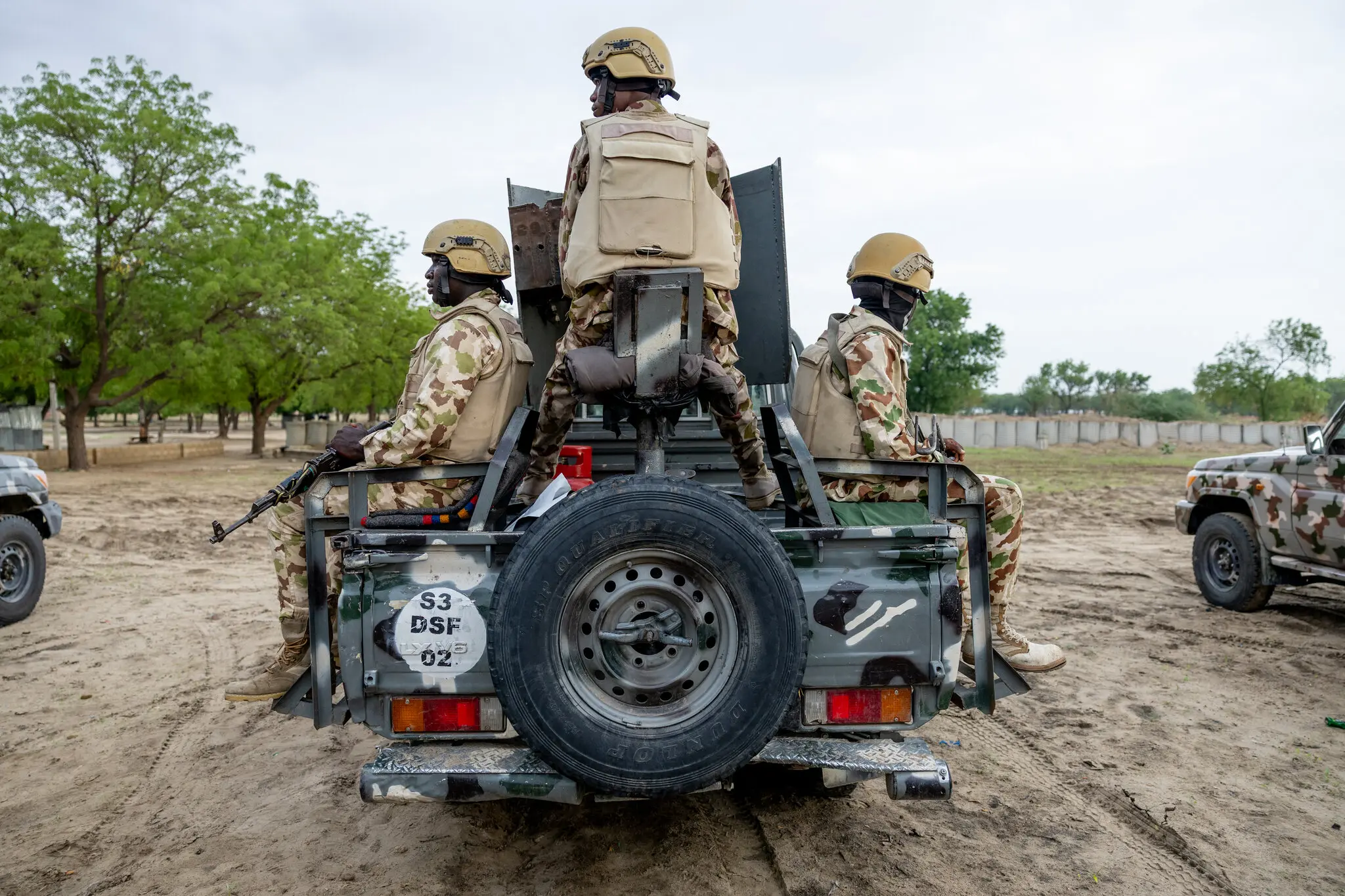
The prospect of a U.S. military intervention in Nigeria, floated in recent weeks by the Trump administration and subsequently modeled by the United States Africa Command (AFRICOM), represents one of the most geopolitically fraught options Washington could pursue on the African continent. Nigeria is not Iraq, nor Afghanistan. It is Africa’s most populous democracy, a complex federation of over 200 million people divided by ethnic, linguistic, and religious lines. Any kinetic operation targeting its Muslim-majority north risks not only inflaming sectarian tensions but also destabilizing the wider Sahel.
According to defense officials, AFRICOM has outlined three graduated military options—“light,” “medium,” and “heavy”—for potential U.S. intervention. Each option, though technically feasible, carries immense strategic, political, and moral hazards. None offers a credible path to peace in a region where insurgency is sustained as much by poverty, governance failures, and local grievances as by ideology or foreign terror links.

The Light Option: Partner-Enabled Futility
The so-called light option involves “partner-enabled operations,” in which U.S. Special Forces would assist Nigerian troops in targeting Boko Haram and Islamic State–West Africa Province (ISWAP) cells. Such cooperation is not unprecedented—U.S. military advisers and intelligence assets have long supported Nigerian operations under the framework of counterterrorism partnerships.

Yet, as past experience shows, external assistance cannot substitute for legitimacy on the ground. The Nigerian military, while better equipped today than a decade ago, still faces deep-seated issues of discipline, morale, and human rights accountability. Partnering with units accused of abuses could undermine Washington’s credibility and inflame local resentment. Moreover, U.S. aid and diplomatic presence have already been scaled back—USAID’s Abuja office closed earlier this year, depriving the intervention of any meaningful civilian or developmental dimension. Without addressing the governance and land-tenure disputes that fuel violence between farmers and herders, any limited military action risks becoming a revolving door of raids without reconciliation.
The Medium Option: The Drone Mirage
The medium option centers on drone warfare—targeted strikes against militant camps, convoys, and safehouses using MQ-9 Reapers and MQ-1 Predators. This approach mirrors U.S. tactics in Yemen and Somalia, offering precision without large troop deployments. In theory, drones could suppress high-value targets; in practice, they often multiply them.
AFRICOM’s operational challenges make even this option precarious. The United States lost its forward drone bases in Agadez and Niamey, Niger, after the military junta’s pivot to Moscow. Russian forces now occupy those installations, complicating flight paths and intelligence sharing. Launching drones from Djibouti or southern Europe would significantly reduce loiter time and responsiveness, undermining the very advantage of unmanned operations.
Furthermore, drone strikes in Nigeria’s densely populated northern communities risk civilian casualties and collateral damage—an outcome that could radicalize more young men than it kills. In a region where militants and civilians often coexist in the same villages, “surgical strikes” may prove anything but clean. Washington’s own experience in Afghanistan and Pakistan demonstrates how drone warfare can erode moral legitimacy and embolden insurgencies under the banner of martyrdom.
The Heavy Option: Escalation Without End
The heavy option—deploying an aircraft carrier strike group to the Gulf of Guinea and conducting deep strikes into northern Nigeria—is the most extreme and least realistic. With U.S. naval assets overstretched across the Pacific, Middle East, and now the Caribbean, there is little appetite or bandwidth for another major theatre. More importantly, such a show of force would signal to Africans that Washington sees Nigeria not as a partner but as a battlefield.
An overt U.S. strike campaign on Nigerian soil would also have profound geopolitical repercussions. It could rupture U.S.–Africa relations, embolden anti-American narratives across the continent, and hand propaganda victories to both Russia and China, who would frame it as neo-imperialist aggression under the guise of “Christian protection.” Domestically, the Nigerian government would face immense pressure from both its Muslim and Christian constituencies, while the fragile social balance between north and south could collapse. Sectarian militias could proliferate overnight, creating exactly the kind of chaos extremists exploit.
Strategic Limits and Political Myopia
Behind all three options lies a deeper problem: the failure to recognize Nigeria’s insurgency as a multidimensional crisis, not a purely military one. The violence in the north stems from overlapping drivers—climate change, desertification, land scarcity, corruption, ethnic competition, and the legacy of state neglect. These cannot be bombed away. As even AFRICOM officials admit, unless Washington is willing to mount a full-scale Iraq- or Afghanistan-style campaign—something neither politically nor financially tenable—the impact of limited strikes would be symbolic at best.
Moreover, Trump’s framing of the crisis as a “Christian genocide” dangerously oversimplifies a complex conflict in which both Muslims and Christians have suffered. Such rhetoric risks turning a local security problem into a global religious confrontation. AFRICOM, which was designed to build partnerships and stability, could instead find itself igniting the very sectarian war it claims to prevent.

Conclusion: The False Promise of Force
In the final analysis, U.S. strike options against Nigeria’s northern insurgencies amount to a set of tactical gestures divorced from strategic reality. They could kill militants but not the conditions that produce them. Worse, they could fracture Nigeria’s fragile unity and destabilize the entire Gulf of Guinea corridor.
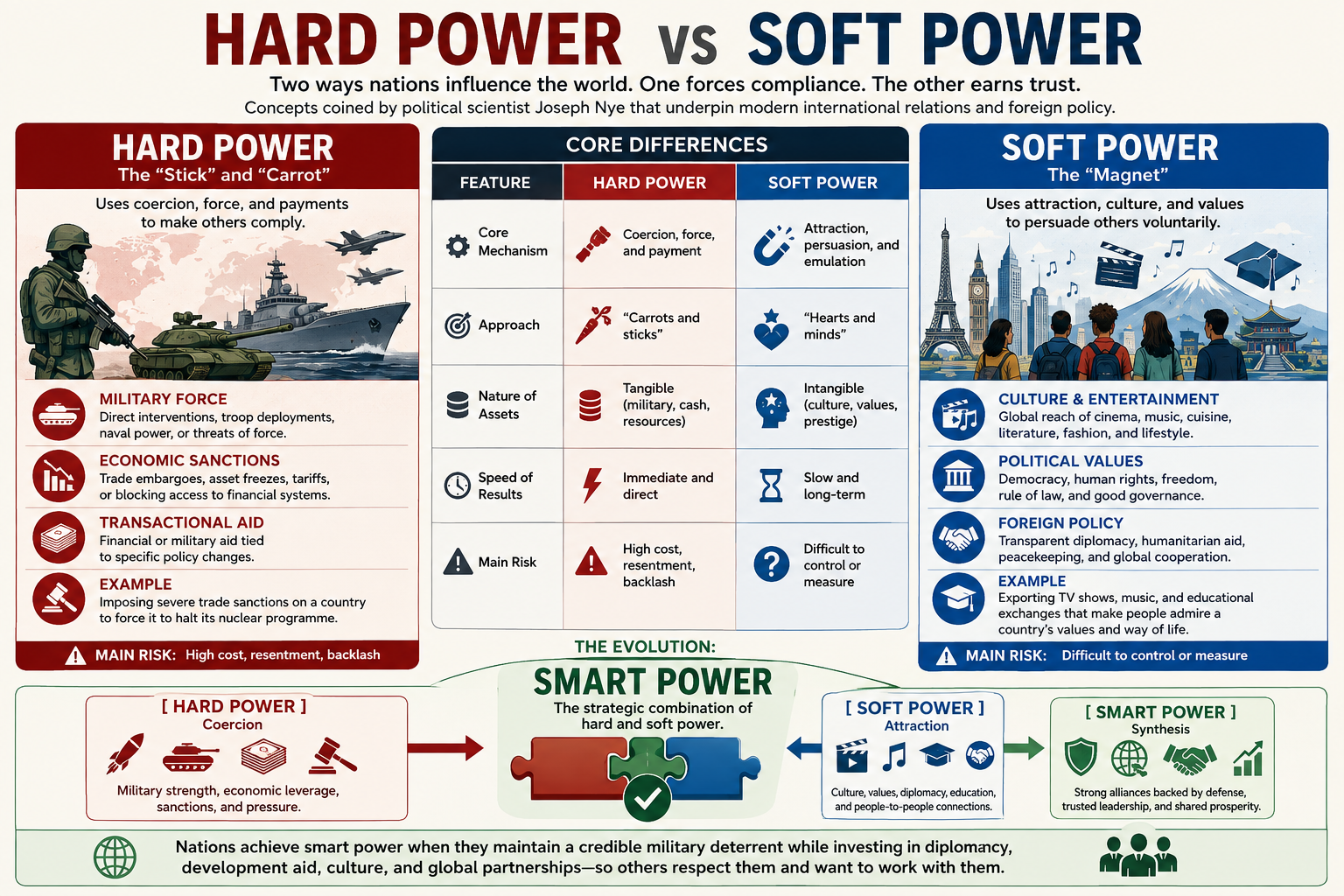
For Washington, the prudent path is not escalation but engagement—reviving diplomatic channels, restoring civilian aid, and supporting Nigerian-led reform in governance, justice, and development. AFRICOM’s true mission should be preventing wars, not launching them. In Nigeria, restraint may yet prove the most powerful weapon America has
Felastory Media Defence Desk


Leave a Reply