
When a foreign flag flies over a runway, port facility or intelligence compound on African soil, the question is not simply who provides security. Foreign military bases alter who sees, who decides, who moves first and who retains leverage when a crisis begins. They can strengthen an overstretched state against insurgency, piracy or transnational crime. They can also make that state a platform in conflicts it does not control.
For African governments, the debate is too often reduced to a choice between accepting outside support and facing insecurity alone. That is the wrong frame. The strategic question is whether external military access is governed in a way that builds national capacity, protects political independence and leaves the host state stronger when the partner departs.
Why foreign military bases matter beyond their footprint
A base is not only a collection of hangars, barracks and fuel stores. It is an access arrangement linking territory to surveillance networks, logistics chains, intelligence systems and diplomatic commitments. A facility that hosts drones, maritime patrol aircraft or special forces can shape security far beyond the perimeter fence.
Djibouti demonstrates this reality more clearly than any other African state. Its location beside the Bab el-Mandeb, a critical maritime passage between the Red Sea and the Gulf of Aden, has attracted military presences from the United States, China, France, Japan, Italy and others. For Djibouti, the concentration creates revenue, diplomatic relevance and a measure of deterrence. It also places a small state at the junction of rival military systems and exposes it to the pressures of wider confrontation.
The same logic applies, in different forms, to facilities and access agreements across the Sahel, the Horn of Africa, the western Indian Ocean and North Africa. External powers do not seek access merely for ceremonial partnership. They seek proximity to strategic waterways, conflict theatres, mineral corridors, communications infrastructure and political influence.
Host governments, meanwhile, may seek airlift, intelligence, training, surveillance, equipment and emergency support that domestic forces cannot rapidly generate. Where armed groups exploit porous borders and weak state presence, such assistance can be immediately valuable. The problem emerges when immediate utility substitutes for a long-term national security strategy.
Foreign military bases can create capability or dependency
The central test is whether a foreign presence transfers usable capacity to the host country. A partnership that provides reconnaissance but leaves national forces unable to collect, interpret or act on intelligence independently creates reliance. One that improves local command structures, maintenance systems, logistics planning and officer development can produce lasting gains.
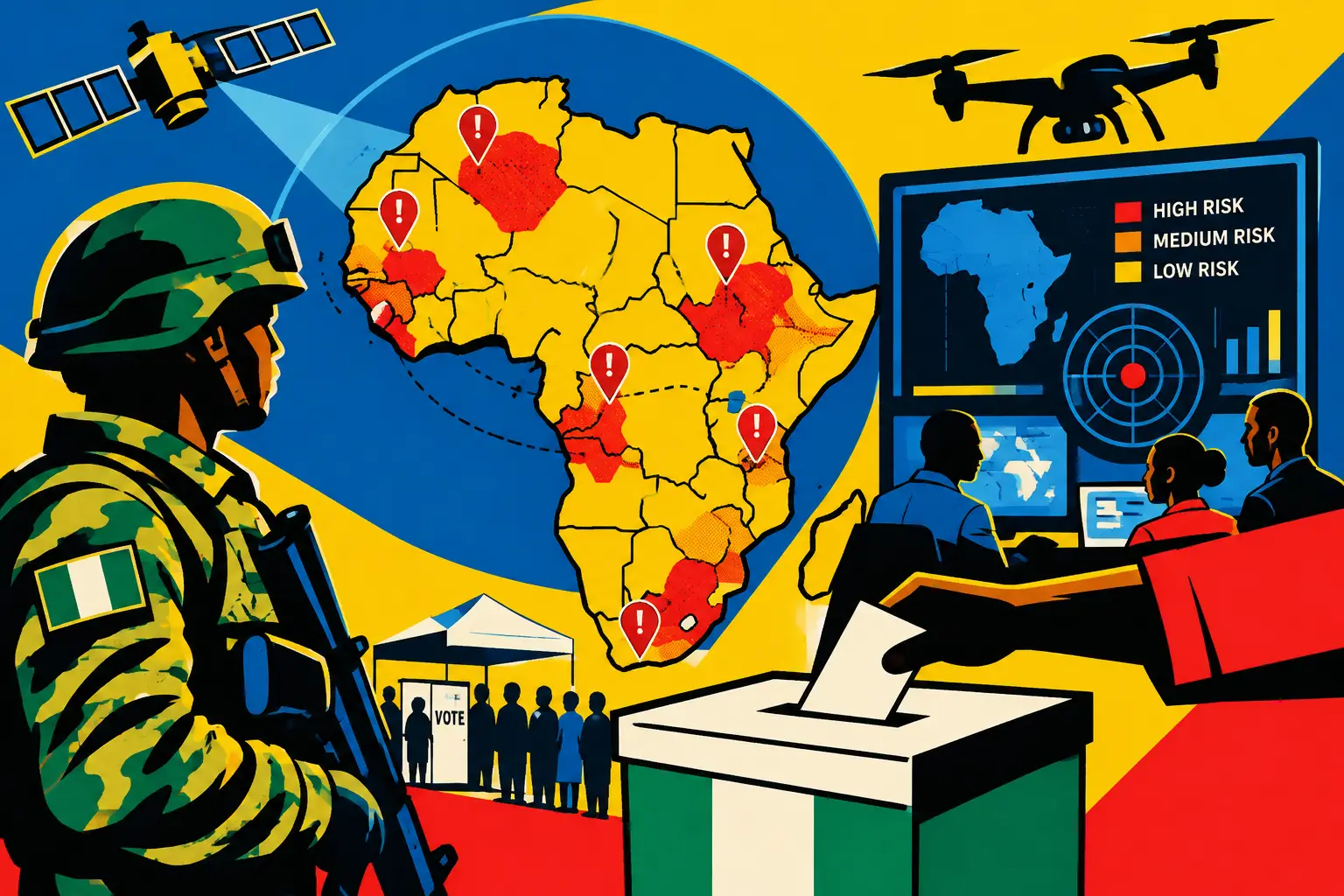
This distinction is particularly acute in counterterrorism. Foreign intelligence, surveillance and reconnaissance assets can identify militant networks across vast terrain. Yet airstrikes and raids do not, by themselves, establish legitimate local authority, settle land disputes, secure pastoral routes or repair the relationship between communities and the state. Those are political tasks. They cannot be outsourced to a foreign base.

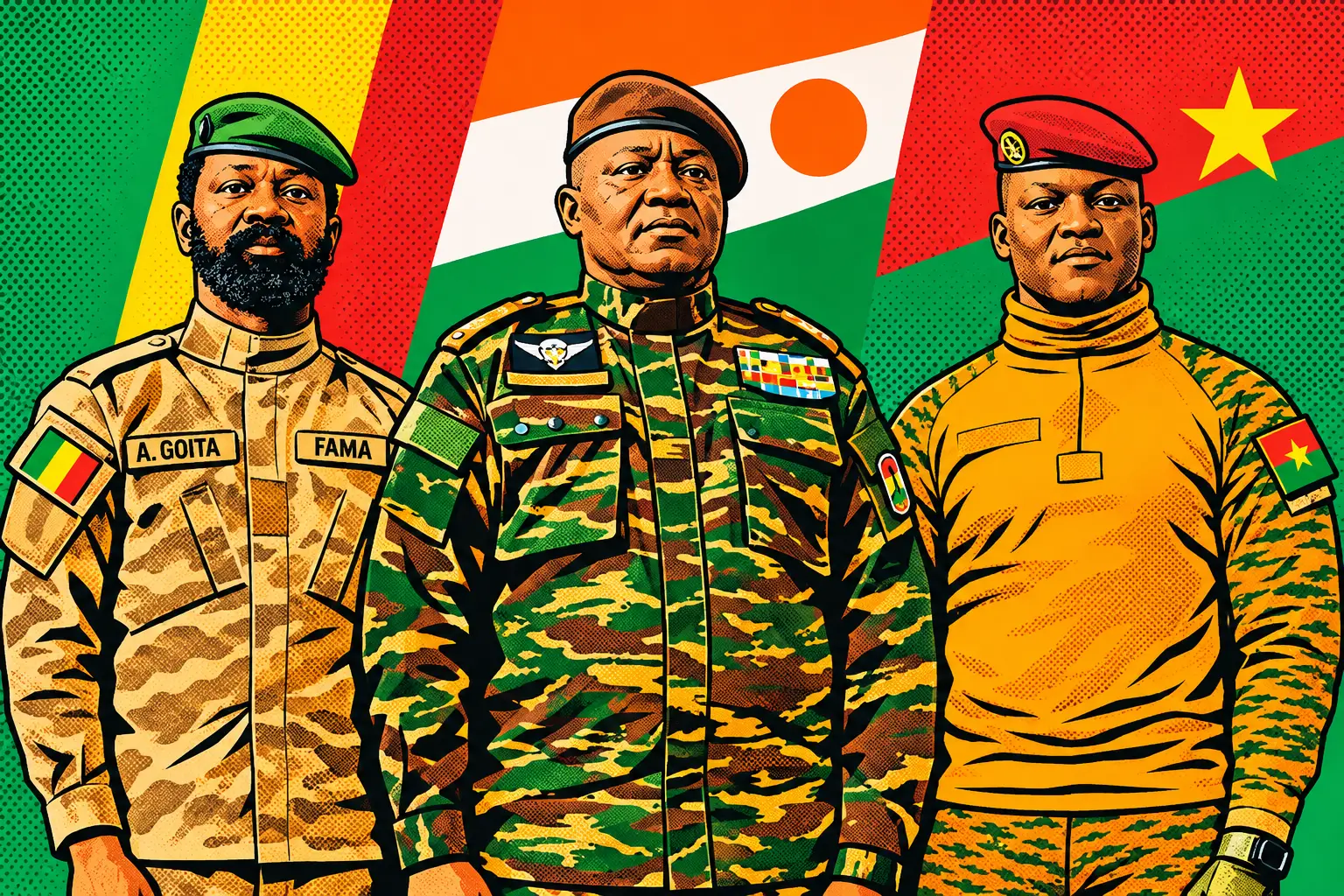
The recent disruption of Western military access in parts of the Sahel illustrates the risk of building security architecture around arrangements that lack durable domestic legitimacy. Changes in government, public opinion or elite alignment can rapidly turn a security partnership into a sovereignty dispute. Once that happens, the host state may lose critical capabilities before it has developed alternatives, while the external power looks elsewhere for access.
Russia’s expanding security role in several African countries has reinforced another lesson: replacing one foreign partner with another does not automatically restore strategic autonomy. The identity of the external actor matters, but so do the contract terms, legal protections, intelligence controls, payment arrangements and political expectations attached to the relationship. Dependency can change language and uniforms without changing its underlying structure.
The intelligence question is often more sensitive than the base
Public debate tends to focus on visible installations. The more consequential issue may be the invisible architecture surrounding them. Foreign forces operating from African territory can gather communications data, map movement patterns, monitor maritime traffic and build relationships with local security institutions. That information has value well beyond a stated counterterrorism mission.
A host government must therefore ask who owns the data, who can access it, where it is stored and whether national authorities receive the full intelligence picture. If a foreign partner controls the sensors, analysts and dissemination channels, national decision-makers may be dependent on another government’s judgement at the exact moment they need sovereign situational awareness.
This is not an argument for rejecting intelligence co-operation. African states face threats that cross borders faster than national agencies can track them. It is an argument for clear safeguards. Agreements should define intelligence-sharing obligations, data protections, operational reporting and the authority required for missions that may affect civilians or neighbouring states.
The same applies to communications and space-enabled systems. Satellite connectivity, drone feeds and cloud-based command platforms can give African forces a decisive operational advantage. But systems operated through external providers may also create points of strategic exposure. Governments need to understand the contractual and technical conditions under which services can be restricted, monitored or withdrawn.
Access agreements are political instruments
A foreign base agreement is frequently presented as a technical defence matter. In practice, it is a political instrument with implications for parliament, public finance, foreign policy and civil-military relations. Its provisions may cover jurisdiction over foreign personnel, tax exemptions, construction rights, airspace access, weapons storage, environmental obligations and the duration of deployment.
Opacity is therefore costly. Secretive arrangements may offer leaders short-term flexibility, but they weaken public trust and invite claims that national territory has been traded for external protection. Parliamentary scrutiny does not require publishing every operational detail. It does require that elected institutions understand the mandate, financial terms, legal immunities and exit conditions involved.
African governments should also resist vague language. A partner invited for training may later seek expanded access for intelligence flights, strike operations or regional contingency planning. Mission creep is not inevitable, but it becomes more likely where agreements lack defined geographic limits, review periods and procedures for prior consent.
The host state should retain authority over the political use of its territory. That includes the right to refuse operations that could drag it into a conflict with a neighbour, expose civilians to retaliation or undermine its diplomatic posture. A base that reduces a country’s ability to make independent foreign-policy choices is not simply a defence asset. It is a strategic liability.
What strategic agency looks like in practice
No single model suits every African state. Djibouti’s geography, Kenya’s counterterrorism requirements, Somalia’s state-building challenge and coastal states’ maritime-security needs are fundamentally different. But several principles travel across these contexts.
First, agreements should be tied to measurable national capability goals. If foreign aircraft use an airfield, local personnel should gain maintenance, air-traffic, logistics and intelligence skills that remain after the agreement ends. If a naval facility is developed, the host navy and coastguard should receive meaningful access to the systems, training and infrastructure created.
Second, governments need diversified partnerships rather than exclusive dependence. Diversification is not about playing major powers against each other for its own sake. It gives states room to negotiate, reduces the risk of abrupt abandonment and avoids placing a country wholly inside another power’s security orbit.
Third, host states require credible exit and transition plans. Foreign military access should be periodically reviewed against a public national-security assessment, not renewed by institutional habit. The objective should be a partnership that steadily reduces the gap between external support and domestic capacity.
Finally, regional organisations have a role. Threats in the Sahel, Gulf of Guinea and Horn of Africa are transnational, but bilateral base arrangements can fragment regional security policy. The African Union and regional economic communities should develop stronger standards on transparency, civilian protection, intelligence governance and the use of foreign facilities in cross-border operations.
Africa must set the terms of access
The continent will remain strategically attractive to outside powers. Shipping lanes, energy routes, critical minerals, expanding digital infrastructure and proximity to conflict zones ensure that military access will remain part of global competition. African states cannot wish that reality away, nor should they surrender their interests to it.
The relevant choice is not between isolation and subordination. It is between passive hosting and deliberate bargaining. Governments that know what they need, publish defensible terms, invest in their own forces and preserve the right to say no can use external partnerships without allowing those partnerships to define their future.
A foreign base should leave behind more than a repaired runway and a temporary security guarantee. It should leave a country with better institutions, better intelligence, better-trained forces and more freedom to protect its own interests when the next crisis arrives.

Leave a Reply