

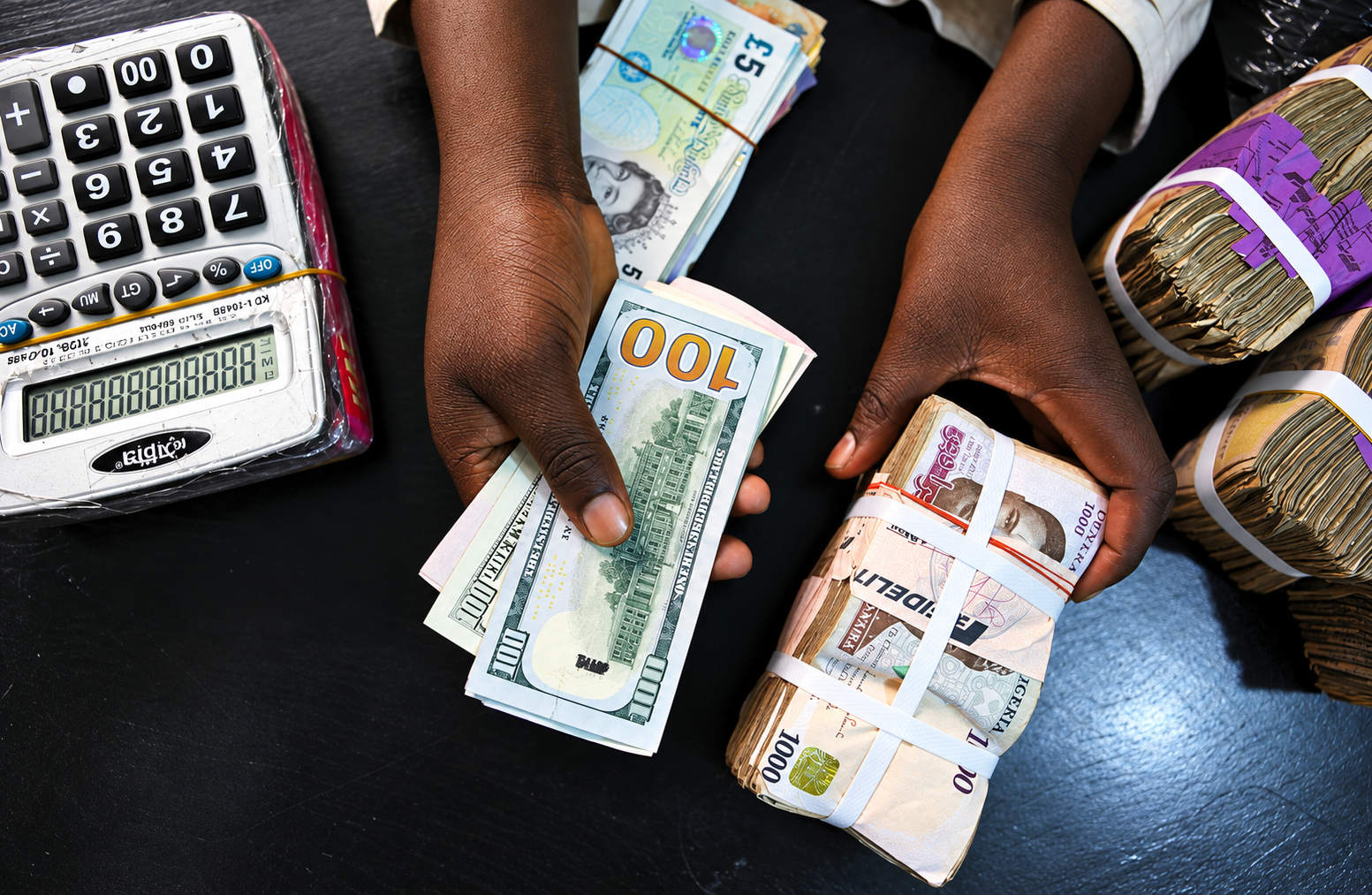
A defence contract can be signed in a capital city, but its operational value may still depend on dollars cleared through foreign banks. Fuel, spares, satellite services, insurance, debt repayments and weapons imports are frequently priced or settled in US dollars. That is why the question, “how does de-dollarisation affect Africa’s security?”, is not merely a debate about finance. It concerns the continent’s ability to equip its forces, sustain operations and make sovereign decisions when global political pressure rises.
De-dollarisation does not mean the dollar is about to disappear from African trade or defence. It refers to efforts by states, regional blocs and firms to reduce their dependence on the dollar for reserves, trade settlement, borrowing and payments. For African governments, the strategic issue is not ideological rejection of the dollar. It is whether excessive reliance on one external financial system creates avoidable vulnerabilities in a period of sanctions, great-power rivalry and volatile commodity markets.
How de-dollarisation affects Africa’s security
The dollar remains central because it offers liquidity, global acceptance and deep financial markets. Those advantages matter to African states that must pay international suppliers quickly during a crisis. Replacing dollar settlement with poorly functioning alternatives could raise transaction costs, complicate procurement and introduce new exchange-rate risks.
Yet dollar dependence has a security cost. A country facing a balance-of-payments shock can find that it has the political authority to act but lacks the foreign exchange to purchase aviation fuel, maintain air-defence systems or meet debt obligations without cutting domestic security expenditure. When the dollar strengthens, imports priced in dollars become more expensive in local currency terms. For states already managing insurgencies, maritime insecurity or fragile borders, that pressure can translate directly into lower readiness.
The point is not that every currency fluctuation produces a military crisis. Defence budgets are shaped by governance, procurement discipline, force design and local industrial capacity. But foreign exchange scarcity often exposes weaknesses that peacetime planning has concealed. Aircraft grounded for lack of parts and naval patrols curtailed by fuel costs are financial-security problems as much as military ones.
Defence procurement and sustainment
African armed forces operate equipment sourced from a wide range of suppliers: Western states, Russia, China, Turkey, the Gulf and increasingly domestic or regional manufacturers. Much of the surrounding ecosystem still uses dollar pricing, including shipping, insurance, components and technical support. A shift towards local-currency or non-dollar settlement could give buyers more room to negotiate, particularly where supplier and customer have substantial two-way trade.
That flexibility could be useful for countries seeking to avoid a single point of financial failure. If a state can settle some maintenance, training or dual-use technology contracts through credible alternative channels, it may preserve essential capabilities during a dollar shortage or political dispute.
However, payment diversification is not the same as strategic independence. A procurement deal denominated in yuan, roubles or another currency may simply replace one external dependency with another. It can also obscure pricing, debt terms and end-user conditions from parliamentary and public scrutiny. Security institutions should be especially wary of opaque arrangements tied to resource concessions, sovereign guarantees or long-term access rights.
For defence planners, the harder task is to distinguish useful redundancy from a change of patron. Multiple payment options are valuable only if they are transparent, lawful, interoperable and backed by reliable suppliers.
Sanctions, financial pressure and political autonomy
The security dimension of de-dollarisation becomes sharper when sanctions are involved. Dollar transactions often pass through institutions subject to US jurisdiction or influence. This gives Washington significant capacity to restrict access to finance, target designated entities and deter banks from handling transactions judged high-risk. African governments have seen how sanctions can affect defence partnerships, commodity exports and access to international banking even when they are not the primary target.
Diversified payment channels may reduce exposure to unilateral pressure. They can create limited room for states to maintain legitimate trade in food, energy, medical goods or essential civilian infrastructure when banking relationships become constrained. They may also reduce the chilling effect created when commercial banks avoid entire jurisdictions or sectors to minimise compliance risk.
But alternatives do not make states immune to coercion. Secondary sanctions, export controls, maritime insurance restrictions and technology licensing rules can still constrain access to critical goods. A drone platform, for example, may rely on sensors, chips, software or satellite connectivity governed by suppliers outside the currency used to pay for it. Financial autonomy without technological autonomy has clear limits.
There is also a serious governance risk. Leaders may present de-dollarisation as a route around accountability, using alternative channels to conceal arms purchases or evade domestic controls. That would weaken national security rather than strengthen it. Strategic autonomy requires strong financial intelligence, independent auditing and procurement oversight, not merely the ability to transact outside established systems.
Debt vulnerability is a security vulnerability
Dollar-denominated debt is among the clearest links between the financial system and security capacity. When local currencies depreciate against the dollar, debt service consumes a greater share of public revenue. Governments then face difficult choices between servicing external obligations, funding social protection and maintaining security services.
The consequences are not abstract. Fiscal compression can delay salaries, reduce police mobility, postpone border-surveillance projects and curtail investment in coastal security. In fragile areas, reduced state presence can create space for armed groups, smuggling networks and illicit political economies.
Borrowing more in local currencies can reduce exchange-rate exposure, but only where domestic capital markets are sufficiently deep and inflation is controlled. Regional financing mechanisms may offer a partial answer, particularly for infrastructure with cross-border security value such as ports, power interconnectors and transport corridors. Still, local-currency debt is not automatically cheaper or safer. Weak institutions can turn any borrowing model into a source of instability.
Regional payments can strengthen operational resilience
The strongest security case for de-dollarisation may lie not in dramatic geopolitical declarations but in regional trade. African economies often buy from one another through dollar intermediaries, even where the underlying commerce is entirely continental. That adds costs, consumes scarce reserves and leaves legitimate cross-border businesses reliant on correspondent banking relationships beyond Africa.
More effective African payment and settlement systems could reduce those frictions. If regional suppliers can be paid predictably in local currencies, states may find it easier to source food, uniforms, basic medical supplies, transport services and selected maintenance inputs closer to home. During a conflict, epidemic or shipping disruption, shorter and more reliable supply chains are a security asset.
This is particularly relevant to maritime security and border management. Ports, rail links, fuel depots and customs systems are not simply commercial infrastructure. They determine whether security forces can move personnel and supplies across a region under pressure. Financial arrangements that support lawful regional commerce can therefore reinforce collective resilience.
Yet regional payment systems require trust. Central banks need adequate reserves, clear settlement rules, cyber defences and credible dispute-resolution mechanisms. A payments platform vulnerable to fraud, cyber intrusion or political manipulation could become a new strategic liability. Africa’s push for financial autonomy must treat payment infrastructure as critical national infrastructure, subject to the same seriousness applied to ports, telecommunications networks and energy grids.
The external powers will compete in the financial domain
De-dollarisation is unfolding amid a wider contest over standards, infrastructure and influence. China promotes greater use of the renminbi through trade, lending and payment systems. Russia has incentives to conduct commerce beyond Western financial channels. Gulf states, India, European institutions and the United States are all shaping the rules around finance, technology, energy and strategic minerals.
African governments should expect financial offers to arrive bundled with wider interests: access to critical minerals, digital infrastructure contracts, defence training, diplomatic alignment or preferential market access. None of these relationships is inherently detrimental. The danger lies in treating currency choice as a technical matter detached from national strategy.
The prudent approach is diversification with discipline. States should strengthen domestic revenue systems, build credible reserves management, develop regional settlement capacity and insist on transparent defence procurement. They should also map the foreign-currency, technology and logistics dependencies behind their most critical military and civilian security capabilities. A country cannot manage a vulnerability it has not measured.
For Africa, the objective is not to choose between the dollar and a new external monetary centre. It is to ensure that a financial shock, sanctions dispute or foreign policy disagreement cannot readily paralyse essential national functions. The real measure of de-dollarisation will be whether it gives African states more room to protect their people, sustain lawful institutions and act on their own strategic judgement.


Leave a Reply